Consistent water pressure is a convenience that’s central to everyday comfort. Whether you’re trying to rinse shampoo from your hair, fill a pot for dinner, or run the dishwasher, weak water flow makes simple tasks feel like ordeals. The good news? A qualified plumber can diagnose and fix low water pressure issues, often more quickly than most homeowners expect.
Low water pressure rarely fixes itself, though. While you might be tempted to live with a dribbling faucet or a lackluster shower, the underlying cause often worsens over time. Knowing what’s happening in your plumbing system and knowing when to call a professional can save you from more expensive repairs down the road.
Common Causes of Low Water Pressure
Several factors can reduce water pressure throughout your home or in specific fixtures. Identifying the root cause is the first step toward restoring strong, reliable flow.
Mineral buildup in pipes
Hard water contains high concentrations of calcium and magnesium. These minerals gradually accumulate inside your pipes, forming limescale deposits that narrow the passages through which water flows. Over months and years, this buildup significantly restricts flow. The effect is similar to cholesterol narrowing arteries, with less space translating to weaker water pressure.
Homes in areas with hard water are more likely to experience this problem. You might notice reduced water pressure at multiple fixtures simultaneously, especially in older plumbing systems where deposits have had decades to accumulate.
Leaks in the plumbing system
Hidden leaks divert water before it reaches your faucets and showerheads. Even small leaks reduce overall system pressure. A crack in a pipe behind a wall or under the foundation can waste hundreds of gallons daily while leaving you with weak flow at every fixture.
Leaks don’t always announce themselves with visible water damage. Sometimes, the only sign is mysteriously low pressure coupled with an unexpectedly high water bill.
Failing pressure regulator
The pressure regulator controls the force at which water enters your home from the municipal supply. This bell-shaped device typically sits near your main water shutoff valve. When it malfunctions, pressure throughout your entire home drops.
Pressure regulators typically last 10 to 15 years. If yours is older or has never been serviced, it might be the culprit.
Partially closed shut-off valve
Every home has a main water shutoff valve, and individual fixtures often have their own supply valves. If someone partially closed one of these valves during a repair and forgot to reopen it, you’ll experience reduced pressure.
This is one of the more straightforward explanations, although it’s often overlooked during troubleshooting.
Municipal water supply issues
Sometimes the problem originates with your local water utility rather than your home’s plumbing. Maintenance work, system failures, or high demand during peak usage times can temporarily reduce water pressure across an entire neighborhood.
If your neighbors are experiencing similar issues, the problem likely lies outside your property lines.
Why DIY Fixes Don’t Always Work
It’s tempting to try quick fixes when water pressure drops. Unfortunately, temporary solutions seldom address the underlying problem and can sometimes make matters worse.
Temporary fixes vs. underlying issues
Removing and cleaning aerators on faucets might improve flow temporarily if mineral deposits have clogged the screens. However, if limescale has built up inside your pipes, this quick fix won’t address the real issue. You’ll see a brief improvement before the pressure drops again.
Similarly, cranking up a pressure regulator without understanding why it was set at a certain level can create new problems. Excessively high pressure can damage pipes, appliances, and fixtures, potentially causing leaks or bursts.
Risks of damaging pipes or fixtures
Without proper tools and knowledge, DIY attempts can damage plumbing components. Using excessive force to remove a stuck valve might crack pipes. Chemical drain cleaners intended to dissolve buildup can corrode the interior of pipes. Over-tightening connections leads to cracked fittings and leaks.
Professional plumbers have specialized equipment and training to address problems without creating collateral damage.
How a Professional Plumber Diagnoses the Problem
Aim Plumbing’s certified technicians use systematic approaches to pinpoint precisely what’s causing low water pressure in your home.
Pressure testing and leak detection tools
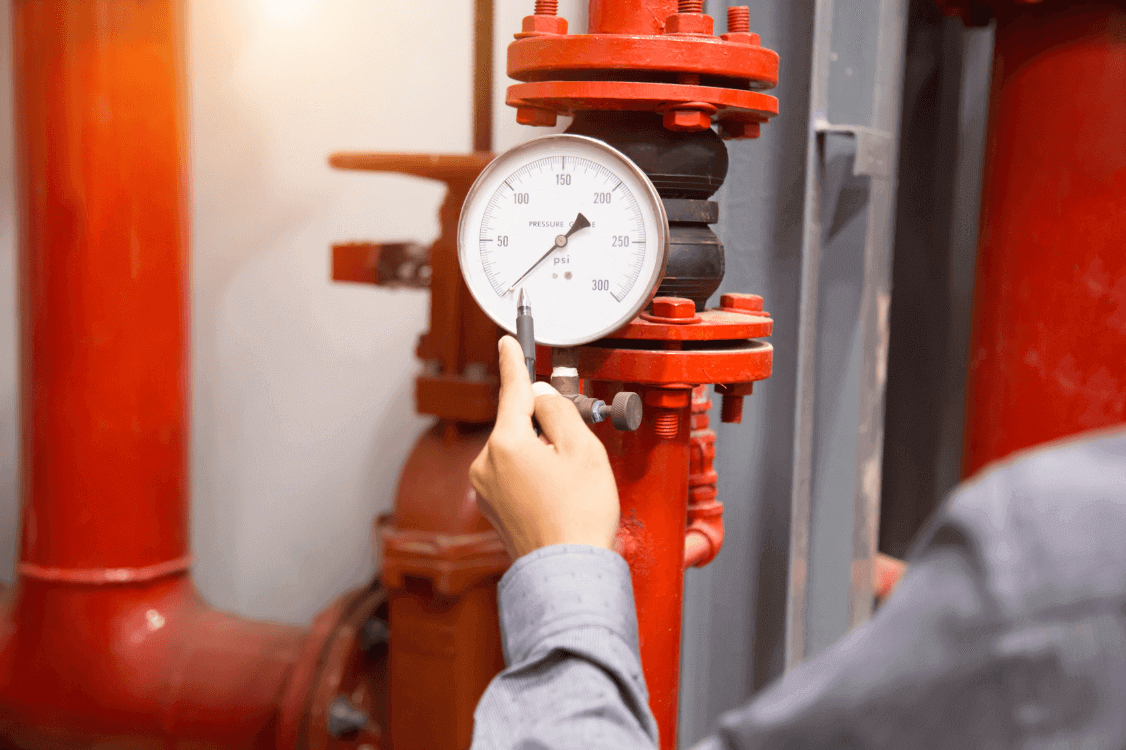
Plumbers measure water pressure at various points using precise gauges. Normal residential water pressure ranges from 40 to 60 psi (pounds per square inch). Readings outside this range indicate a problem requiring investigation.
For suspected leaks, professionals employ acoustic listening devices, thermal imaging cameras, and pressure drop tests. These tools locate hidden leaks without unnecessary demolition.
Inspecting main water lines and fixtures
A thorough inspection examines the pressure regulator, main shutoff valve, and supply lines throughout your home. Plumbers check for corrosion, limescale accumulation, and signs of wear. They also test individual fixtures to determine whether the problem affects the entire system or specific areas.
Older homes may have galvanized steel pipes that corrode internally over time. Identifying pipe material helps establish whether replacement is necessary.
Assessing whether it’s a home or city supply issue
Experienced plumbers can differentiate between problems originating in your home and those in the municipal supply. They might check pressure at the meter or consult with local utility providers. This distinction is critical as it determines who’s responsible for repairs and prevents you from paying to fix problems outside your control.
Professional Solutions for Low Water Pressure
Once the cause is identified, professional plumbers implement targeted solutions that restore proper water pressure.
Cleaning or replacing clogged pipes
For pipes with significant mineral buildup, plumbers may use descaling treatments or hydro-jetting equipment that blasts away mineral deposits with high-pressure water. In severe cases where buildup has caused extensive narrowing or corrosion, replacing affected sections of piping provides a permanent solution.
Modern materials like PEX (cross-linked polyethylene) resist mineral buildup better than older materials and install more quickly.
Adjusting or replacing the pressure regulator
If the regulator is improperly adjusted, a plumber can calibrate it to deliver optimal pressure. When the device has failed, replacement is straightforward and immediately restores proper pressure throughout your home.
A new pressure regulator typically costs between $250 and $500 installed, a modest investment that protects your entire plumbing system from pressure-related damage.
Repairing or replacing faulty valves or lines
Leaking pipes require repair or replacement, depending on the extent of the damage. Corroded shutoff valves get replaced with modern ball valves that operate smoothly and seal reliably. Supply lines to fixtures are checked for kinks, damage, or restrictions.
Addressing leaks restores pressure, prevents water damage, and reduces utility costs.
Upgrading old plumbing systems
Homes with outdated plumbing often benefit from system upgrades. Replacing galvanized steel pipes with copper or PEX eliminates corrosion issues while improving flow. Upgrading to larger-diameter supply lines increases capacity, supporting higher pressure at multiple fixtures simultaneously.
While whole-system repiping is a substantial investment, it eliminates recurring pressure problems and adds value to your property.
Preventing Future Water Pressure Problems
Proactive maintenance keeps your plumbing system functioning optimally and prevents pressure issues from developing.
Routine plumbing maintenance
Annual inspections by certified plumbers catch minor problems before they escalate. During maintenance visits, technicians check pressure levels, inspect for leaks, test the pressure regulator, and examine visible pipes for signs of corrosion or mineral buildup.
Think of plumbing maintenance like dental checkups: regular attention prevents major problems.
Water softeners to reduce mineral buildup
If you live in an area with hard water, installing a water softener system prevents limescale accumulation. These systems remove calcium and magnesium before water enters your plumbing, protecting pipes, fixtures, and appliances from mineral deposits.
Water softeners also extend the lifespan of water heaters, dishwashers, and washing machines while reducing soap and detergent consumption.
Regular inspection by certified plumbers
Establishing a relationship with a trusted plumbing service, such as Aim Plumbing, ensures prompt attention when issues arise. Regular customers often receive priority scheduling and benefit from technicians familiar with their home’s specific configuration.
Aim Plumbing’s maintenance plans provide scheduled service and peace of mind, keeping your system running smoothly year-round.
Restore Your Water Pressure Today
Low water pressure diminishes comfort and convenience and may signal serious plumbing problems. Whether caused by mineral buildup, leaks, regulator failure, or aging infrastructure, professional diagnosis and repair restore strong, consistent flow throughout your home.
Don’t let weak water pressure slow down your day. The experienced technicians at Aim Plumbing have the tools, knowledge, and expertise to identify the cause and implement lasting solutions. From simple adjustments to complete system upgrades, we deliver quality service you can trust.Schedule your service with Aim Plumbing today and enjoy powerful, consistent water flow in every room. Your plumbing system deserves expert care, and your home deserves reliable water pressure. Call us at (951) 658-3359 or (619) 788-7141. Alternatively, fill in a short contact form on our website.