Water lines form the backbone of your home’s plumbing system, delivering clean water from municipal supplies or wells to every faucet, shower, and appliance. Most homeowners never think about these underground pipes until something goes wrong. Knowing how water lines function and recognizing early signs of problems helps you protect your property and maintain consistent water quality.
Proper water line maintenance ensures reliable pressure, prevents contamination, and avoids costly emergency repairs. When these pipes develop issues, the consequences range from inconvenient to catastrophic. This page outlines what water lines are, how they work, and what to do when problems arise.
Understanding What a Water Line Does
The water line system in your homes consists of distinct components, each serving specific functions in delivering water where you need it.
Definition and function of the main water line
The main water line is the primary pipe that connects your home to the municipal water supply or private well. This line carries all the water used in your household, typically entering through the foundation or basement. It runs from the water meter (in city-supplied systems) or pressure tanks (in well systems) to the point where it branches into smaller distribution pipes.
Think of the main water line as a highway. It handles the highest volume of water flowing into your property at the greatest pressure. Any disruption to this line affects water delivery throughout your entire home.
Difference between main line and branch lines
Once the main water line enters your home, it splits into branch lines that distribute water to individual fixtures and appliances. These smaller pipes run through walls, floors, and ceilings to reach bathrooms, kitchens, laundry rooms, and outdoor spigots.
Branch lines operate under the same pressure as the main line but carry less total volume since they serve specific areas. A leak in a branch line affects only certain fixtures, while a main line problem generally impacts your entire water supply.
Overview of materials used
Water line materials have evolved significantly over the decades. Each material offers distinct advantages and potential vulnerabilities.
- Copper pipes dominated residential plumbing for much of the 20th century. They resist corrosion well, tolerate high temperatures, and can last 50 years or more. That said, copper is expensive and vulnerable to acidic water conditions.
- PVC (polyvinyl chloride) pipes are lightweight, affordable, and corrosion-resistant. They work well for cold-water applications but aren’t suitable for hot-water lines due to temperature limitations.
- PEX (cross-linked polyethylene) is a contemporary plumbing innovation. These flexible pipes install quickly, resist mineral buildup and freezing better than rigid materials, and cost less than copper. PEX has become the preferred choice for new construction and repiping projects.
- Galvanized steel pipes may still be present in some older homes. These pipes corrode internally over time and should be replaced when problems develop.
How Water Lines Work in Your Home
Understanding the water delivery process helps you recognize when something isn’t functioning correctly.
The journey of water from the municipal supply to your faucet
Water begins its journey at a municipal treatment facility or well pump. City water travels through large distribution mains under streets before connecting to your property through a service line. At the property boundary, water passes through a meter that measures consumption for billing purposes.
From the meter, water enters your main line at pressure provided by the municipal system or well pump. This is typically between 40 and 60 psi (pounds per square inch). This pressure pushes water through your home’s plumbing network without requiring additional pumps for most single-story and two-story homes.
A pressure regulator near the main shutoff valve moderates incoming pressure, protecting your pipes and fixtures from damage caused by excessive force. The main line then branches into hot- and cold-water distribution systems. Cold water lines run directly to fixtures, while a separate line feeds your water heater to supply hot water throughout the home.
Importance of proper water pressure and flow
Adequate pressure ensures that water reaches second-floor bathrooms and operates appliances efficiently. Too little pressure creates weak flow and operational problems. Excessive pressure stresses pipes, causes leaks, and shortens the lifespan of appliances and fixtures.
Consistent pressure throughout your home indicates a healthy water line system. Fluctuating or declining pressure often signals developing problems that require professional attention.
The connection between water lines and shut-off valves
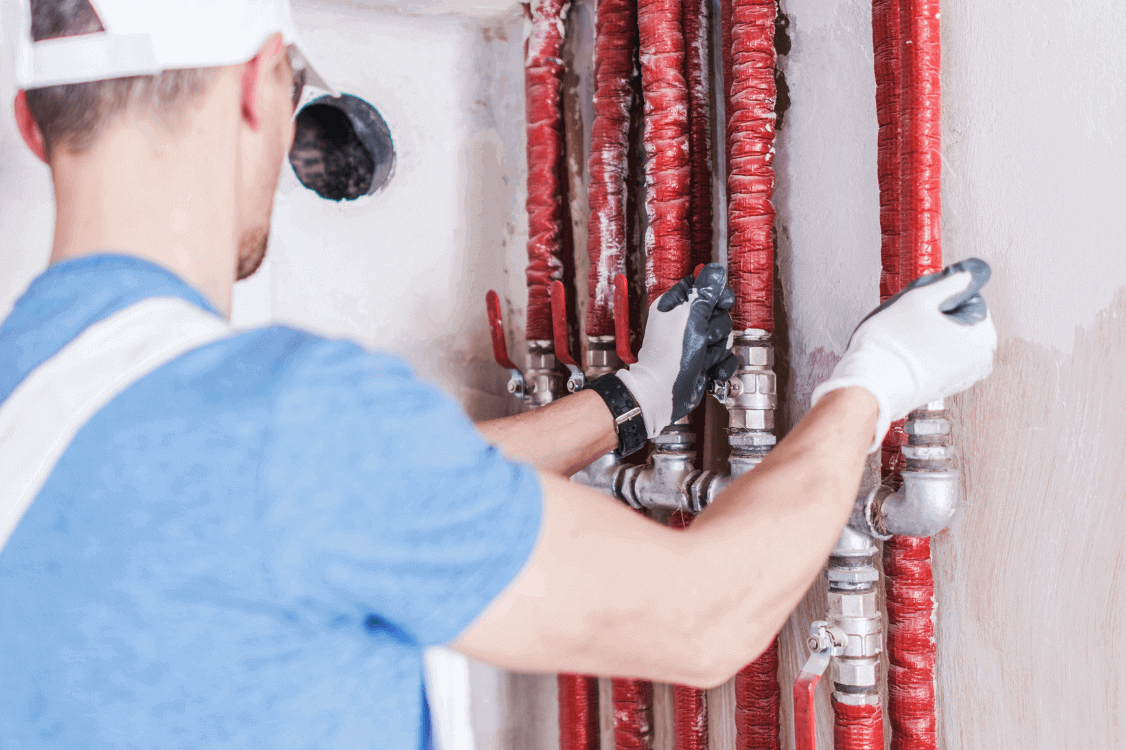
Every water line system includes shutoff valves that control flow. The main shutoff valve (located where the water line enters your home) stops all water flow to your property. This valve lets you stop water flow immediately during plumbing emergencies.
Individual fixtures usually have dedicated shutoff valves on their supply lines. These allow isolated repairs without disrupting water service to the entire house. Knowing valve locations and ensuring that they operate smoothly is essential for protecting your home from water damage.
Common Water Line Issues
Several problems commonly affect water lines, each producing distinct symptoms that alert observant homeowners to underlying issues.
Leaks
Water line leaks waste resources, increase utility costs, and cause property damage. Underground leaks are particularly problematic because they go unnoticed until significant damage occurs. Persistent wet spots in your yard, unexpectedly high water bills, or the sound of running water when all fixtures are off signal potential leaks.
Small pinhole leaks in copper pipes can develop due to water chemistry or galvanic corrosion. Larger ruptures occur when pipes freeze and burst or when aging materials fail.
Corrosion
Corrosion deteriorates pipes from the inside out. Galvanized steel pipes are especially vulnerable, developing rust that narrows pipe interiors and contaminates water. Even copper pipes can corrode in areas with acidic water or under certain soil conditions.
Discolored water, mainly brown or reddish tints, suggests corrosion. As deterioration progresses, weakened pipe walls become prone to leaks and ruptures.
Tree root intrusion
Tree and shrub roots naturally seek water sources. They infiltrate underground water lines through tiny cracks or loose joints, then expand inside pipes as they grow. This intrusion blocks the flow and can eventually rupture pipes.
Homes with mature landscaping near water line paths face a higher risk. Slow drains, gurgling sounds, and unexplained pressure drops may indicate root infiltration.
Mineral buildup
Hard water deposits minerals inside pipes over time. Calcium and magnesium accumulate as limescale, gradually restricting flow. While this process affects branch lines and fixtures most visibly, main water lines also experience buildup that reduces effective diameter.
Declining water pressure affecting multiple fixtures simultaneously is often due to mineral accumulation rather than single-point blockages.
How to spot early signs
Vigilance helps catch water line problems before they escalate. Watch for these warning indicators:
- Low water pressure throughout your home suggests main line issues. If only specific fixtures show reduced pressure, branch lines, or the fixtures themselves are more likely culprits.
- Discolored water, especially when it appears rust-colored or cloudy, indicates corrosion or sediment in your lines. While sometimes caused by municipal system maintenance, persistent discoloration warrants investigation.
- Pooling water or unusually lush grass patches in your yard signal underground leaks. Water escaping from buried pipes surfaces in low areas or promotes excessive plant growth near the leak.
- Unexplained increases in water bills, without corresponding changes in usage, point to hidden leaks that waste water before it reaches your fixtures.
- Strange sounds, like hissing or running water, even when everything is turned off, reveal active leaks somewhere in your system.
Repair or Replace: What to Do When Problems Arise
Deciding between repair and replacement depends on the severity of the problem, your system’s age, and long-term cost considerations.
When minor repairs are enough
Small, isolated leaks in accessible locations often qualify for simple repairs. A pinhole leak in an exposed section of copper pipe can be patched or the damaged section replaced without overhauling the entire system. Similarly, a leaking joint might only require tightening or replacing gaskets.
If your water lines are relatively new and constructed from durable materials, targeted repairs make economic sense. Problems caused by external factors, such as accidental damage from excavation, don’t necessarily indicate systemic failure.
When full replacement is needed
Widespread corrosion, multiple leak points, or pipes nearing the end of their service life warrant replacement rather than ongoing repairs. Galvanized steel pipes showing signs of deterioration should be replaced entirely, as corrosion will continue spreading throughout the system.
Homes experiencing recurring water line problems benefit from comprehensive replacement. While the upfront cost is higher, new lines eliminate ongoing repair expenses and provide decades of reliable service.
Age matters significantly. If your water lines are 40 to 50 years old or more, replacement prevents future emergencies and the extensive water damage they cause.
Why professional inspection matters
Only trained plumbers with specialized equipment can accurately assess the condition of the water line. Professional inspection includes pressure testing, leak detection using acoustic sensors or thermal imaging, and sometimes camera inspection of pipe interiors.
These assessments reveal problems that are invisible to homeowners, such as internal corrosion, developing weak spots, or root intrusion, in their early stages. Early detection enables less invasive, more affordable solutions than emergency repairs after catastrophic failure.
Aim Plumbing’s certified technicians provide comprehensive evaluations, clearly explain findings, and recommend solutions tailored to your specific situation and budget.
How Aim Plumbing Can Help
Water line problems require expertise and specialized equipment that professional plumbing services provide.
Expertise in water line inspection, repair, and replacement
Aim Plumbing’s experienced technicians handle water line challenges ranging from minor repairs to complete system replacements. We assess your unique situation, considering factors such as your home’s age, existing pipe materials, water quality, and landscape features that may affect water lines.
Our team stays current with evolving plumbing technologies and best practices, ensuring that you receive solutions that meet modern standards and provide lasting reliability.
Use of modern equipment for leak detection
We employ advanced leak detection technology that locates problems without destructive excavation. Acoustic listening devices identify the sound of water escaping pressurized pipes. Thermal imaging reveals temperature differences caused by leaking water. Pressure testing isolates problem areas within your system.
These sophisticated tools minimize property disruption while ensuring accurate diagnosis. We find problems quickly, reducing labor costs and preserving your landscaping.
Trenchless repair options
Traditional water line replacement required extensive trenching across your property, destroying landscaping and hardscaping in the process. Modern trenchless technology allows pipe repair and replacement with minimal excavation.
Pipe bursting breaks old pipes while simultaneously pulling new pipe into place through the same path. Pipe lining creates a new pipe inside the existing one using epoxy resin that cures in place. These methods reduce project time, limit property damage, and often cost less than conventional replacement.
Aim Plumbing evaluates whether trenchless methods are suitable for your situation, offering the least disruptive solution whenever possible.
Protect your home’s water supply
Water lines silently perform essential work, delivering clean water reliably until problems develop. Understanding these core components helps you identify warning signs early and make more informed decisions about maintenance and repairs.
Whether you’re dealing with declining pressure, discolored water, or unexplained wet spots in your yard, prompt professional attention prevents minor issues from becoming major disasters. Water line problems rarely improve on their own. Rather, they escalate, causing increasingly expensive damage.If you suspect a water line issue, don’t wait for it to worsen. Contact Aim Plumbing today for expert diagnosis and reliable waterline service that keeps your home running smoothly. Our certified technicians provide honest assessments, transparent pricing, and quality workmanship you can trust. Schedule your appointment by calling (951) 658-3359 or (619) 788-7141.